 Editor Solar
Off-grid (stand-alone) solar system diagram
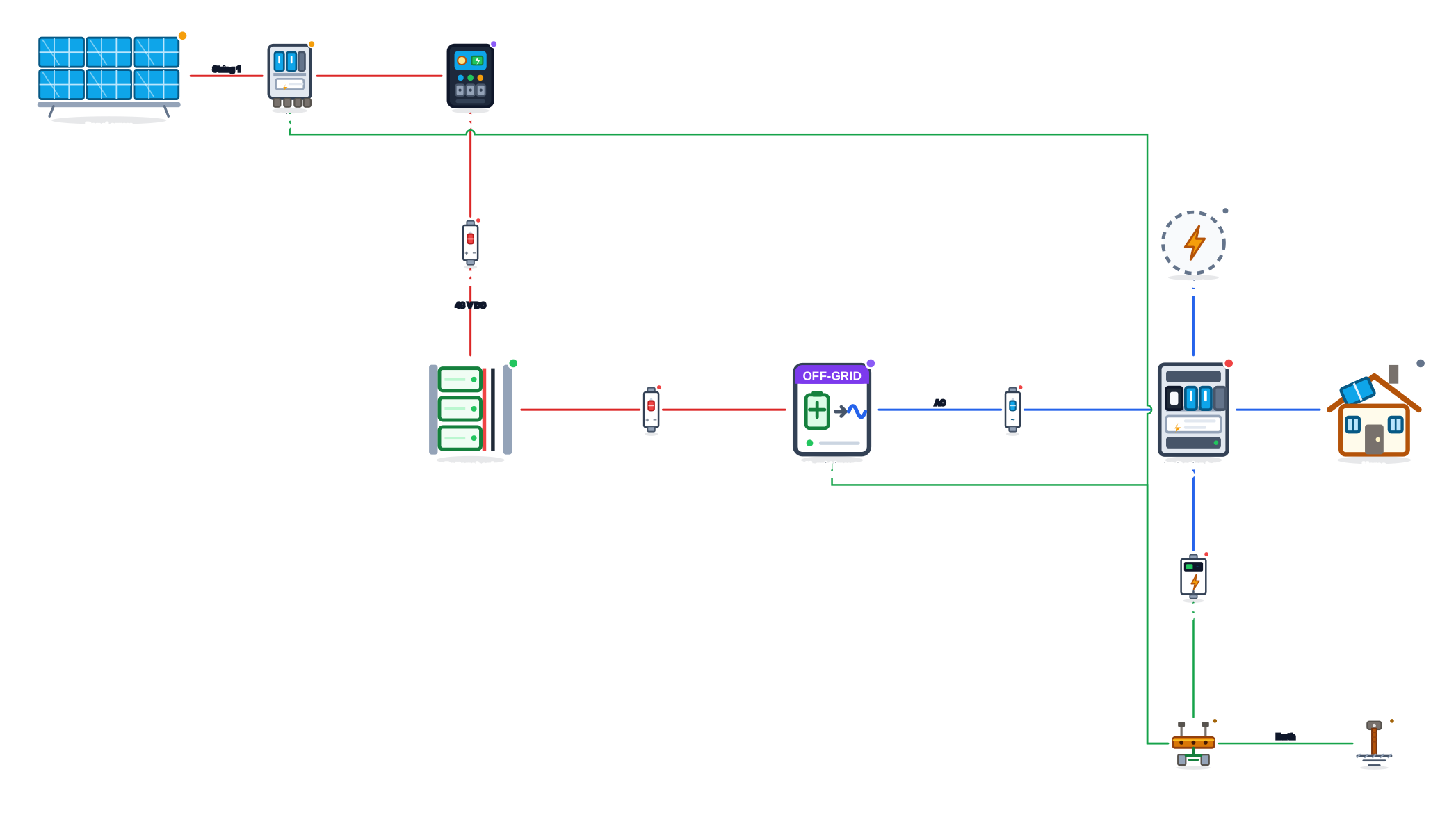
Editable off-grid template: panels, MPPT charge controller, battery bank, inverter and loads, with no utility grid. Adapt it online.
What the diagram shows
The off-grid, or stand-alone, system works with no connection to the grid at all. All the energy used comes from the panels, directly or after passing through the batteries. It is the solution for places the grid does not reach or where bringing it in would be too expensive.
The diagram follows the classic chain: panel array → combiner box → charge controller → DC breaker → battery bank → DC breaker → off-grid inverter → AC breaker → distribution board → home, with an extra load on the board to show a second circuit and the AC SPD below it. The equipment enclosures go to the earth busbar, connected to the earth rod.
Diagram components
- Panel arrayGroup of modules shown as a block.
- Combiner boxString combiner and protection box.
- Charge controllerManages battery charging from the panels.
- 2× DC breakerBreaker for direct-current circuits.
- Battery bankSet of interconnected batteries.
- Off-grid inverterStand-alone inverter that produces AC from the batteries.
- AC breakerBreaker for alternating-current circuits.
- Distribution boardSystem distribution and protection board.
- HomeResidential consumer unit.
- Generic loadAny load or consuming device.
- AC SPDSurge protector for alternating current.
- Earth busbarEarth equipotential bonding busbar.
- Earth rodEarth (ground) rod driven into the soil.
How it works, step by step
- Charge controller: receives the energy from the panels and charges the batteries at the correct voltage and current. MPPT models get more out of the panels than PWM ones, especially with higher-voltage strings.
- Battery bank: stores the day’s energy for the night and for cloudy days. Residential systems commonly work at 24 or 48 V.
- Off-grid inverter: converts the battery energy into alternating current for the home’s outlets and appliances.
- Loads: everything connected depends on the stored energy, so appliance efficiency weighs heavily on the system size.
When to choose off-grid
Off-grid is recommended for farms, ranches, beach houses, remote stations and water pumping. The challenge is sizing: the system must meet the consumption in the month with the least sun and get through cloudy days, which considerably increases the battery bank and the number of panels.
To estimate the bank size, see the tutorial on battery bank backup time. If the site has long periods without sun, compare it with the off-grid system with generator.
Tips to adapt the template
- Note the bank voltage (12, 24 or 48 V) in the technical parameters of the off-grid inverter and the charge controller: both must work at the same voltage as the bank.
- The DC breaker between the bank and the inverter sits in the highest-current section: note its rated current in its technical parameters.
- Replace the generic load with real items, such as lighting, motor/pump or a refrigerator, and note the power of each.
- Use an area called "Plant room" to group the controller, batteries and inverter.
Frequently asked questions
How many days of autonomy should an off-grid system have?
It is common to plan for one to three days without sun, depending on the local climate and how important the loads are. More days mean a larger, more expensive bank.
Can I run a refrigerator and a water pump off-grid?
Yes, as long as the inverter can handle the starting current of the motors, which can be several times the rated power, and the bank has enough energy for the daily consumption.
PWM or MPPT controller?
MPPT makes better use of the panel energy, especially when the string voltage is much higher than the bank voltage. PWM is cheaper and suits small systems with panels of compatible voltage.
Edit this template in Editor Solar
The template is already open in the editor below. Move the equipment, change labels, add protection devices and export to PNG, SVG or PDF, free and without signing up.
 On-grid (grid-tied) solar system diagram
 Solar system with battery diagram (no grid)
 Hybrid inverter with battery and grid diagram
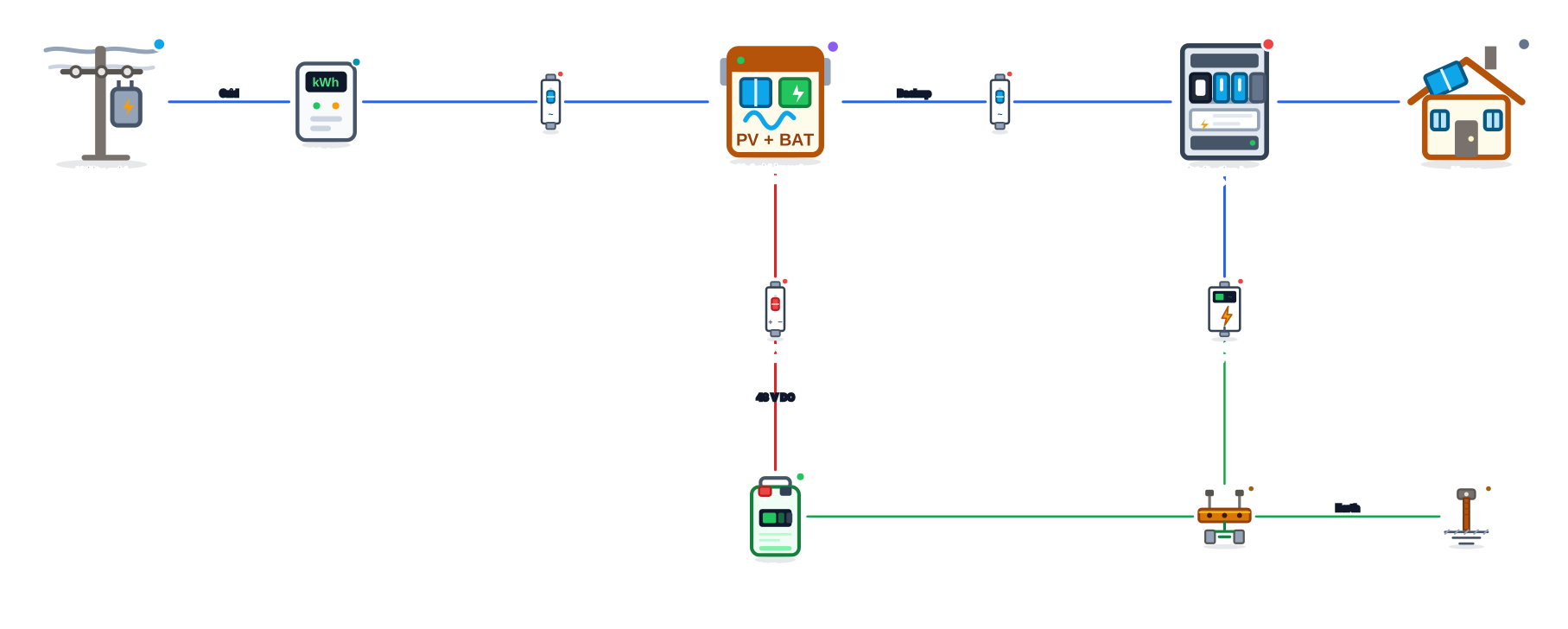 Home battery backup diagram
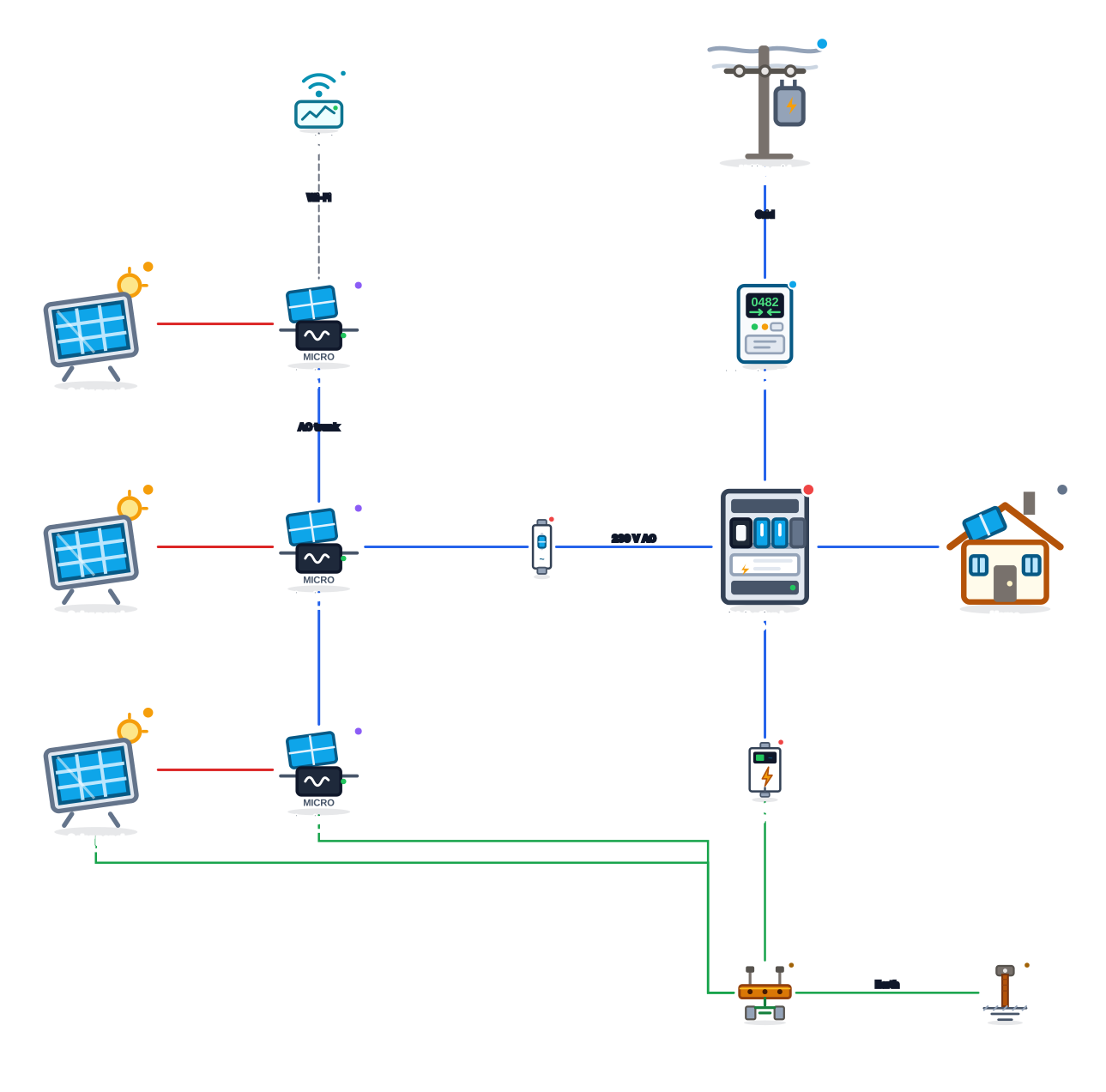 On-grid diagram with microinverters
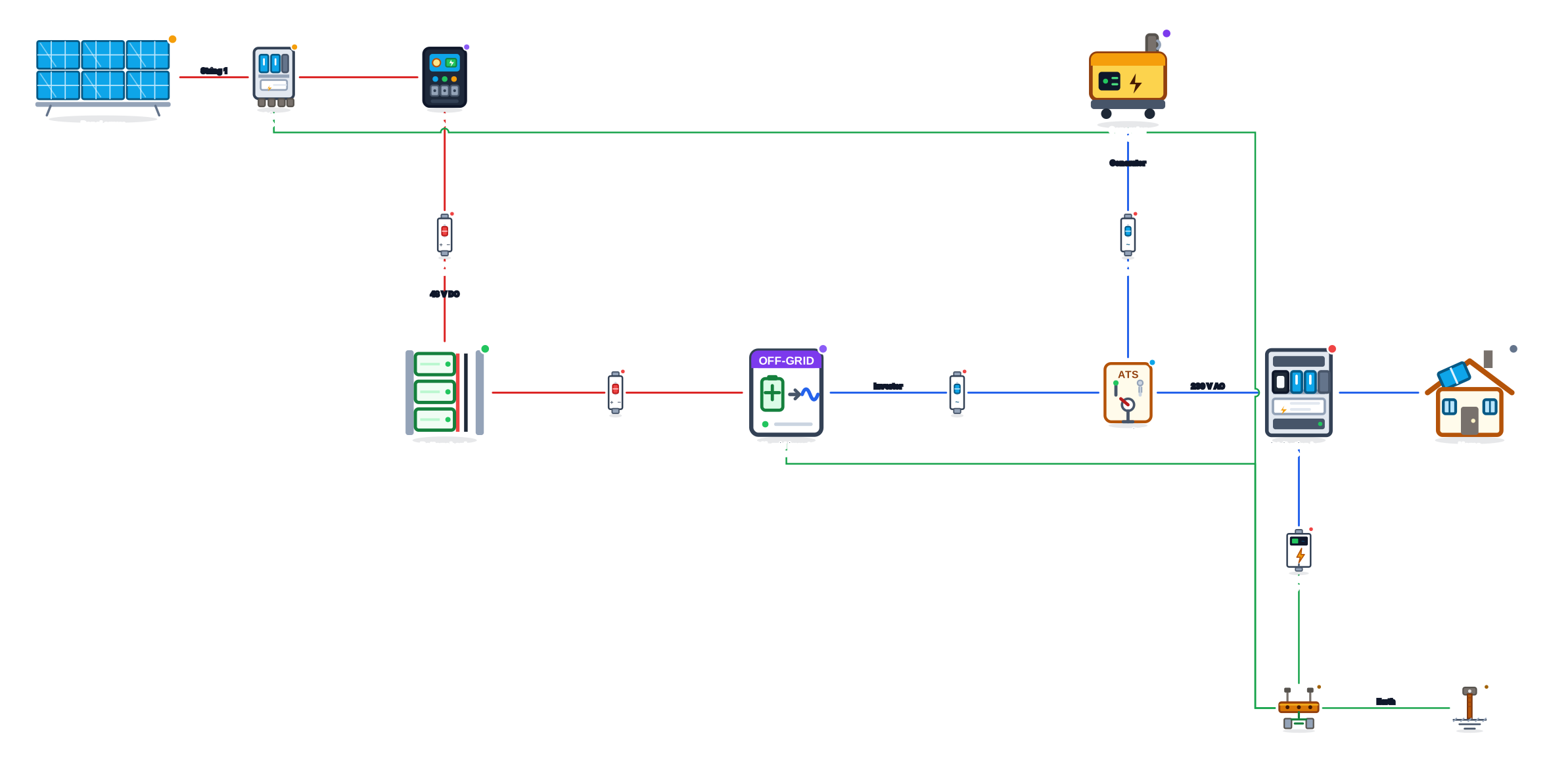 Off-grid system with generator and ATS diagram
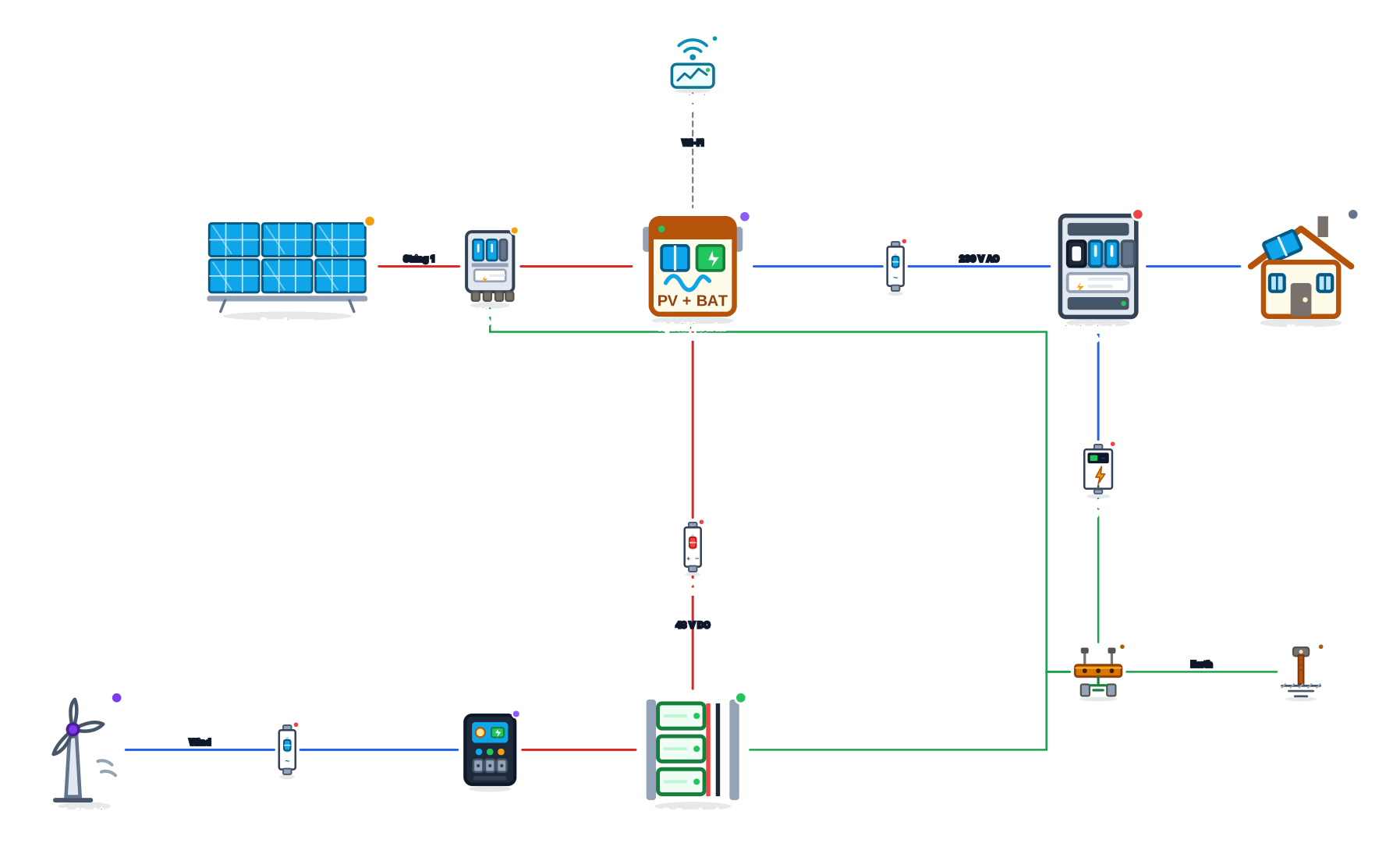 Hybrid solar and wind system diagram