
Hybrid solar and wind system diagram
Editable template of a hybrid system with solar panels and a wind turbine charging the same battery bank, with a hybrid inverter. Adapt it online.
What the diagram shows
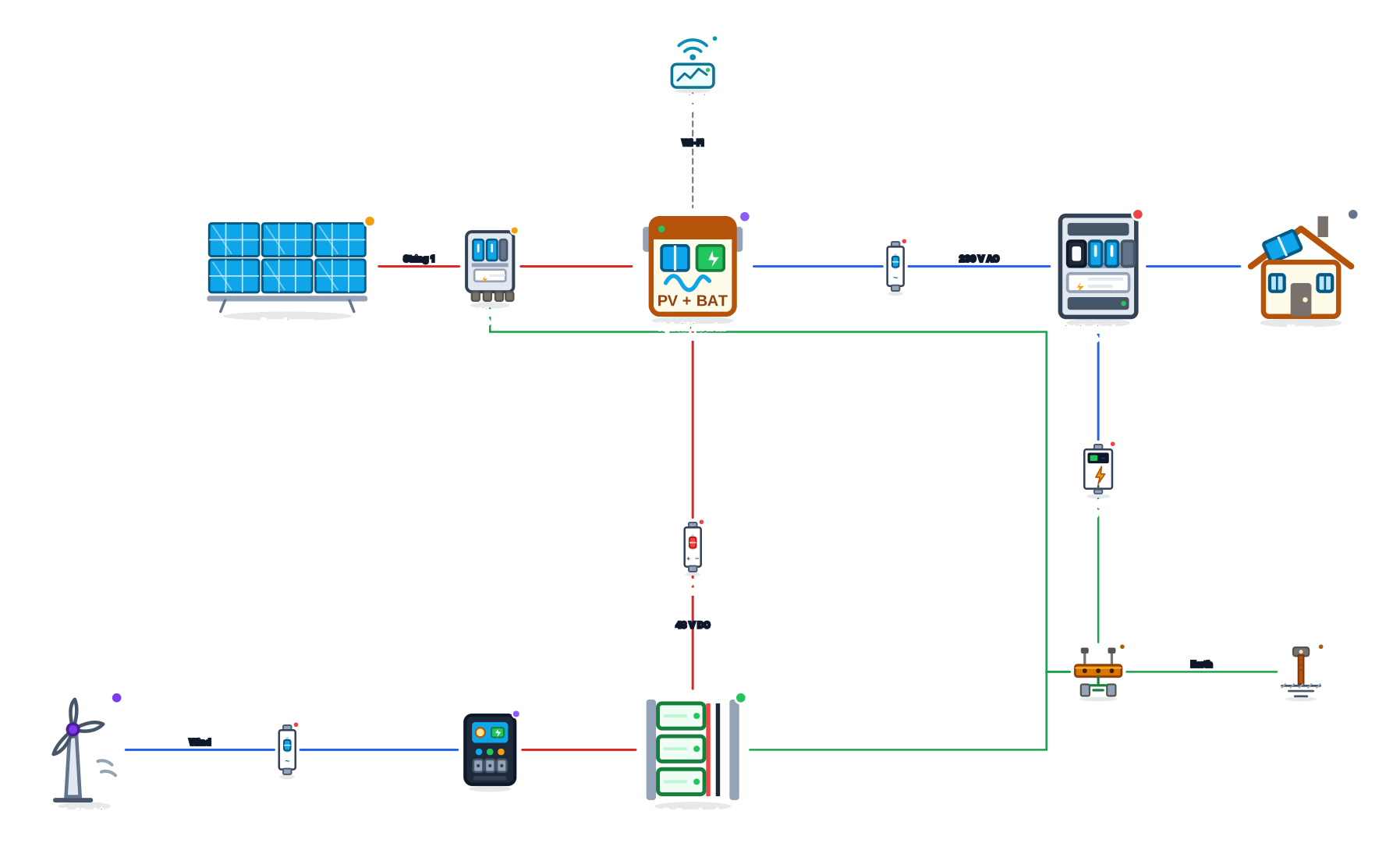
This template combines solar and wind energy in one system. The panels and a small wind turbine charge the same battery bank, and a hybrid inverter powers the home. A monitoring module tracks the output over Wi-Fi.
In the diagram, the panels reach the hybrid inverter through the combiner box; the turbine goes through an AC breaker and its own charge controller before reaching the bank, which connects to the inverter through a DC breaker. The output goes through the AC breaker to the board, which has an AC SPD, and on to the home. The equipment enclosures go to the earth busbar, connected to the earth rod.
Diagram components
- Panel arrayGroup of modules shown as a block.
- Combiner boxString combiner and protection box.
- Hybrid inverterInverter with simultaneous battery and grid support.
- 2× AC breakerBreaker for alternating-current circuits.
- Distribution boardSystem distribution and protection board.
- HomeResidential consumer unit.
- DC breakerBreaker for direct-current circuits.
- Battery bankSet of interconnected batteries.
- Wind turbineSmall wind turbine.
- Charge controllerManages battery charging from the panels.
- MonitoringDatalogger or monitoring module (Wi-Fi, app).
- AC SPDSurge protector for alternating current.
- Earth busbarEarth equipotential bonding busbar.
- Earth rodEarth (ground) rod driven into the soil.
How it works, step by step
- Sun during the day: the panels power the home and charge the bank through the hybrid inverter.
- Wind at any time: the turbine generates energy even at night and on windy cloudy days, charging the bank through its controller.
- Shared bank: both sources add energy to the same battery bank.
- Consumption: the inverter supplies alternating current to the board from the panels and the batteries.
When to choose solar + wind
The combination makes sense at sites with steady wind, such as coasts, high ground and open fields, especially where sun and wind complement each other over the year. In those conditions, the battery bank can be smaller than in a solar-only system.
Small wind turbines require a tower, space clear of obstacles and mechanical maintenance, and they produce little at sites with weak or turbulent wind. It is worth measuring the local wind before investing.
Tips to adapt the template
- Use the controller recommended by the turbine manufacturer; many include a brake and a dump load for strong winds.
- Also add a DC breaker between the turbine controller and the bank; the template already protects the turbine output and the section between the bank and the inverter.
- Note the turbine and panel power in the description of each item.
- Build the bank from individual batteries to show the series connection, as in the tutorial on batteries in series and in parallel.
Frequently asked questions
Is a home wind turbine worth it?
Only at sites with steady wind and no obstacles, such as coasts and high ground. In urban areas, the wind is usually weak and turbulent, and the output falls well below the rated power.
Can the turbine be connected straight to the battery?
No. It needs its own controller, which regulates the charge and, in many cases, brakes the turbine or diverts the energy to a dump load when the wind is strong and the battery is full.
Can solar and wind share the same bank?
Yes, each source with its own controller, as long as the charging voltages are compatible with the bank. That is exactly what this template shows.
Edit this template in Editor Solar
The template is already open in the editor below. Move the equipment, change labels, add protection devices and export to PNG, SVG or PDF, free and without signing up.
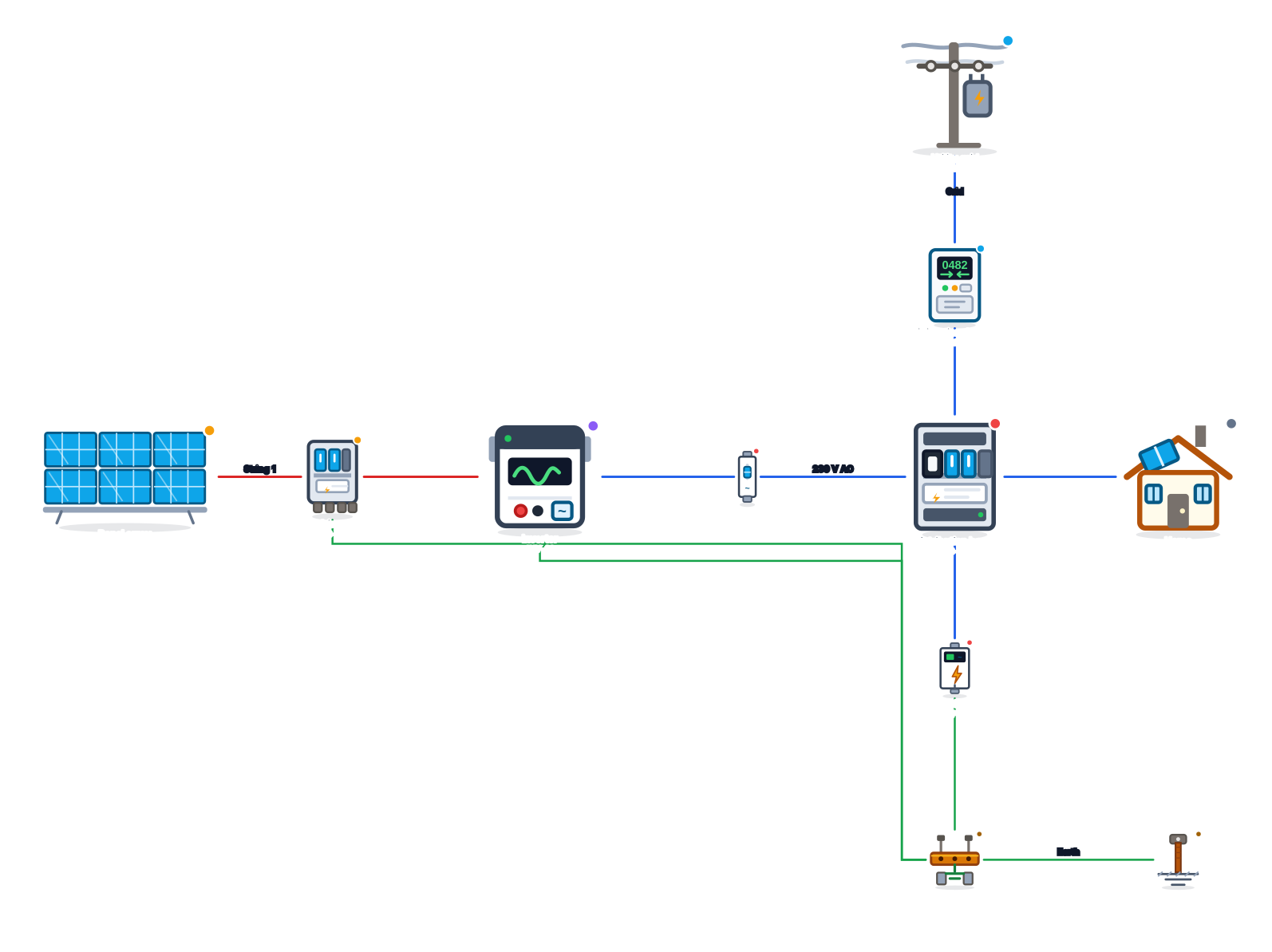 On-grid (grid-tied) solar system diagram
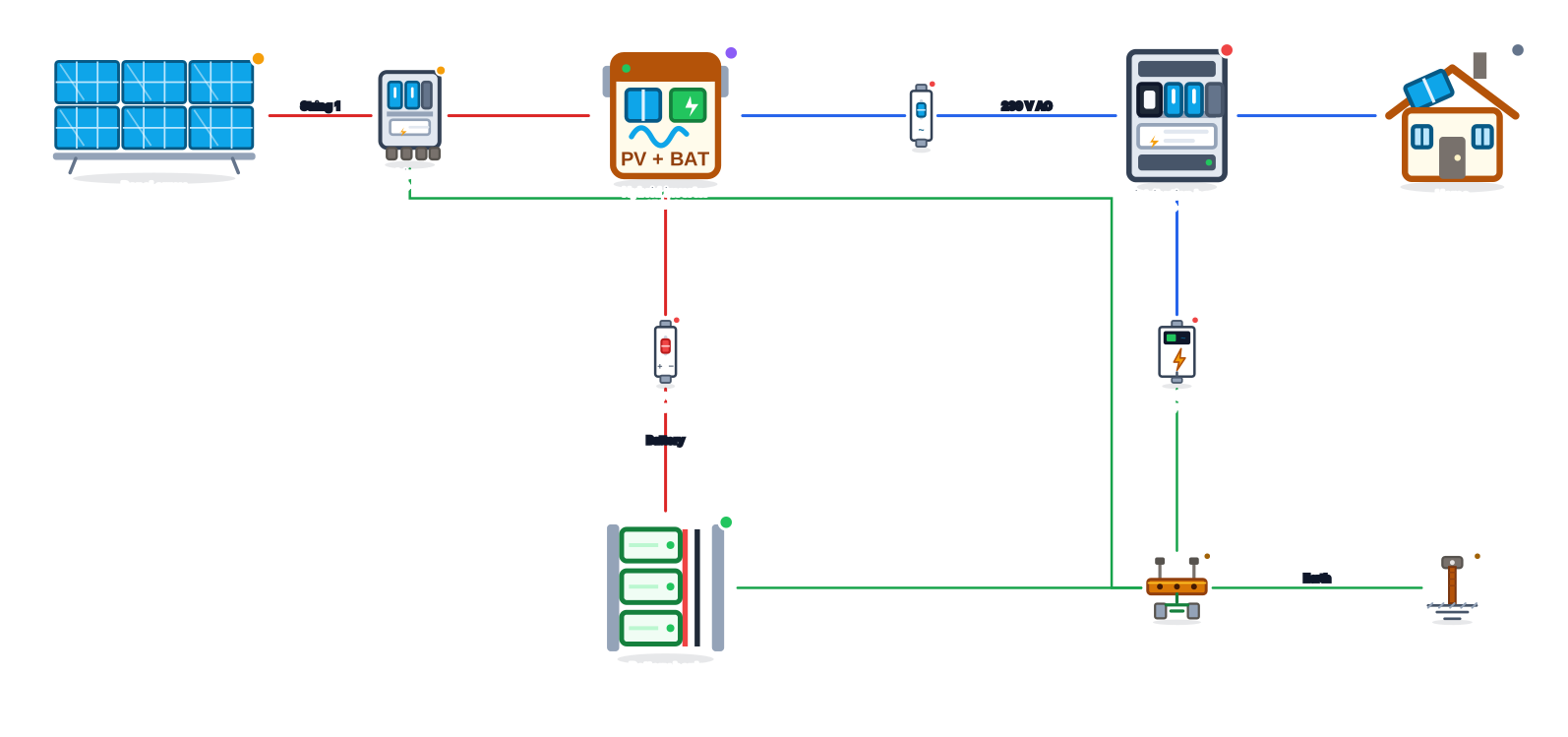 Solar system with battery diagram (no grid)
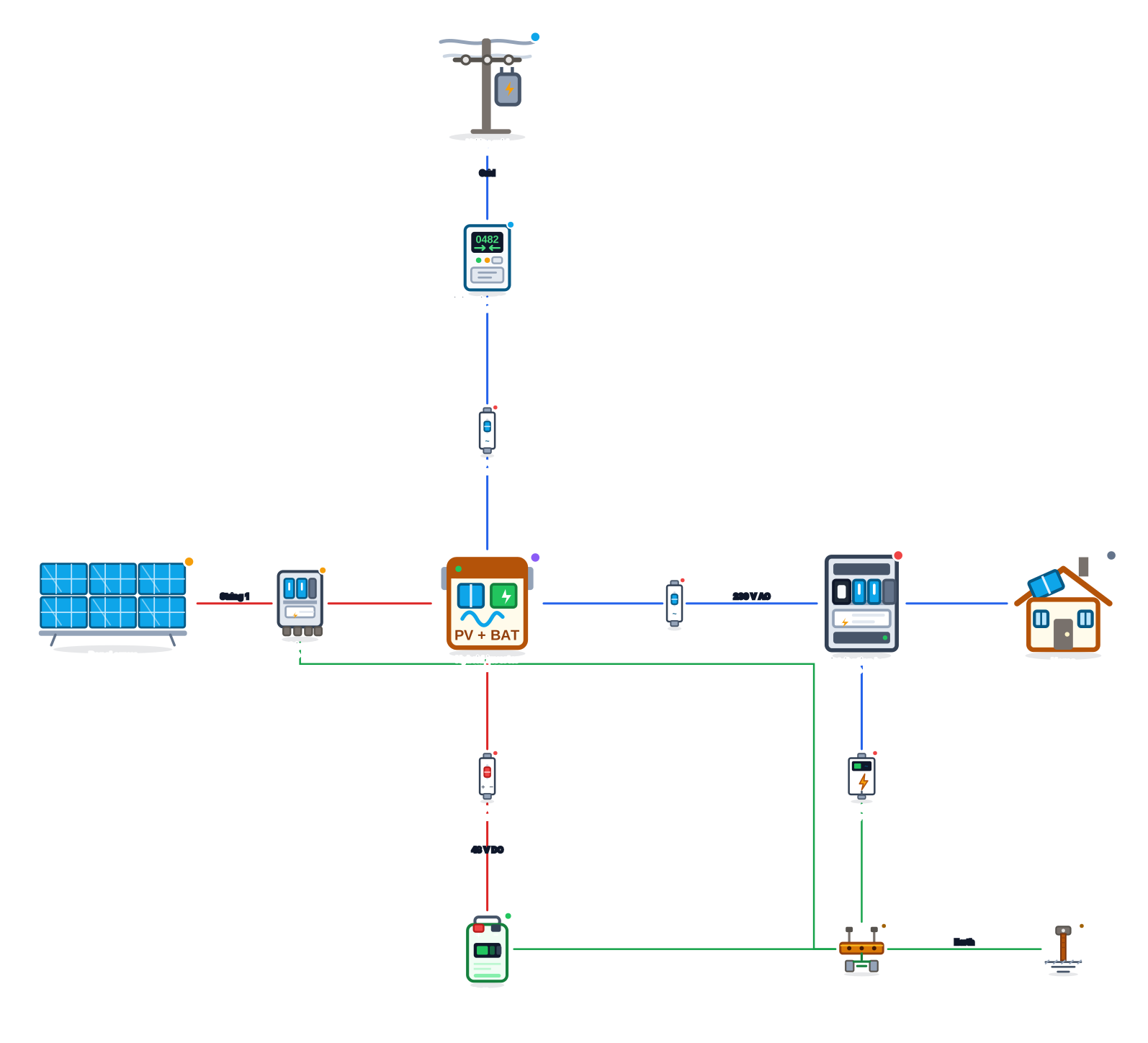 Hybrid inverter with battery and grid diagram
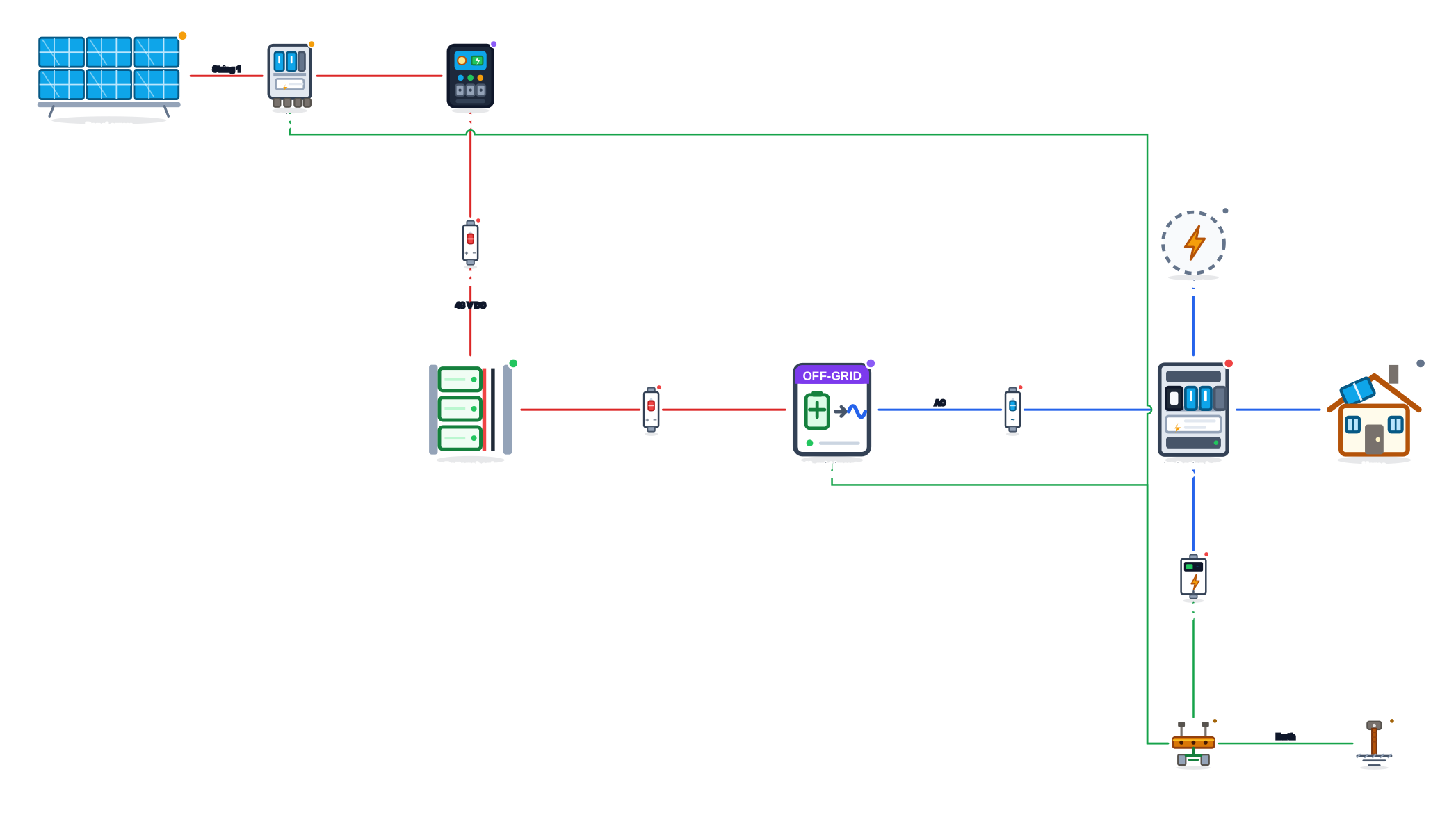 Off-grid (stand-alone) solar system diagram
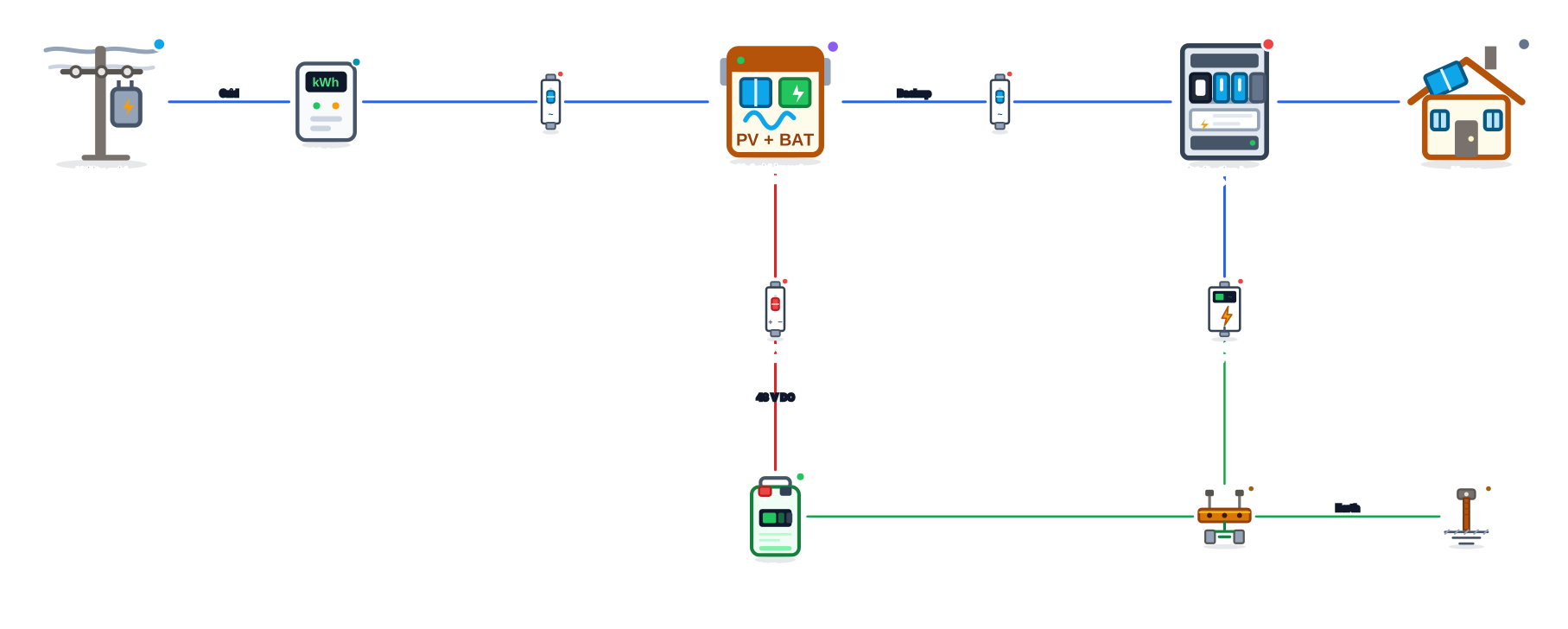 Home battery backup diagram
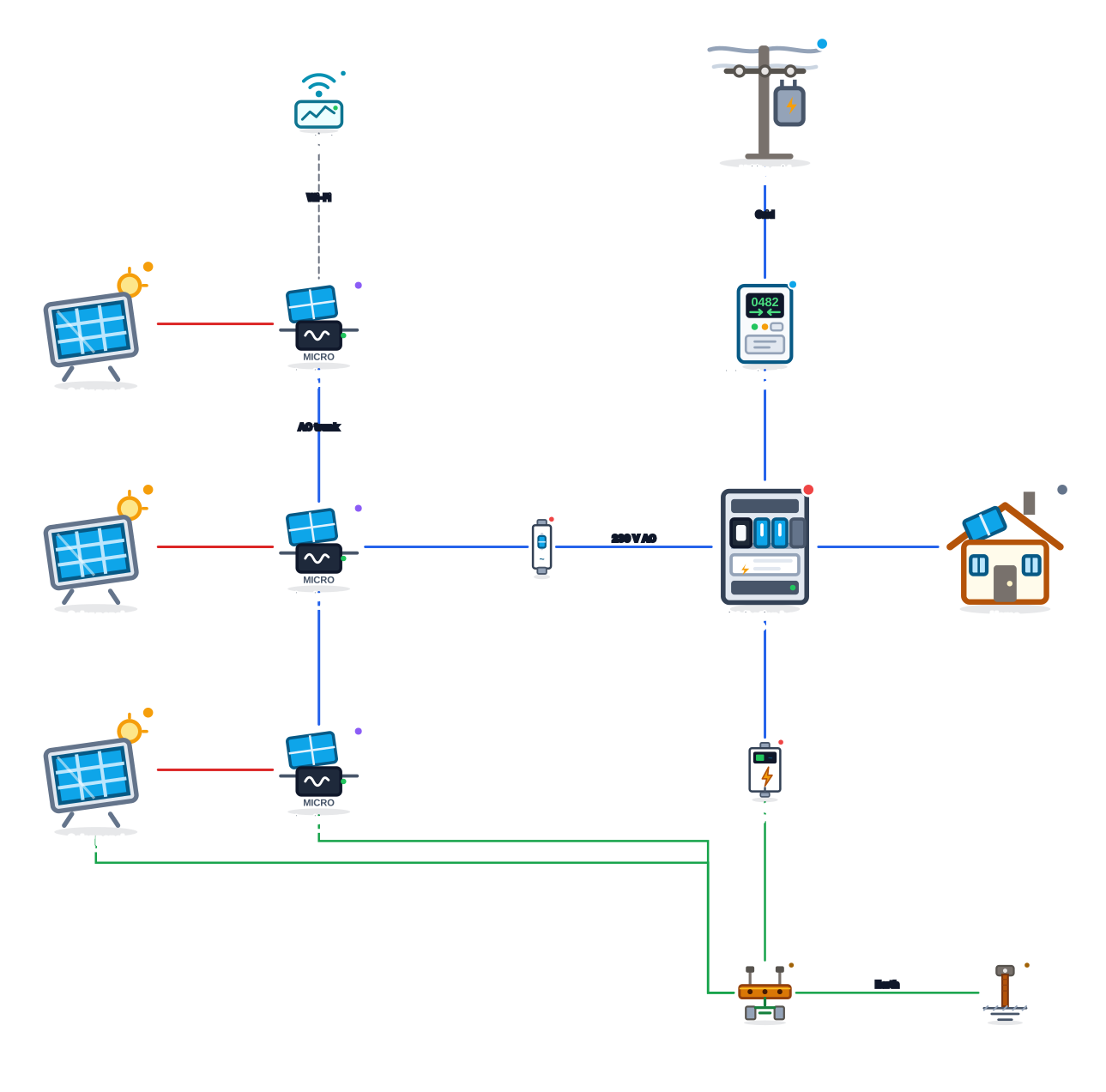 On-grid diagram with microinverters
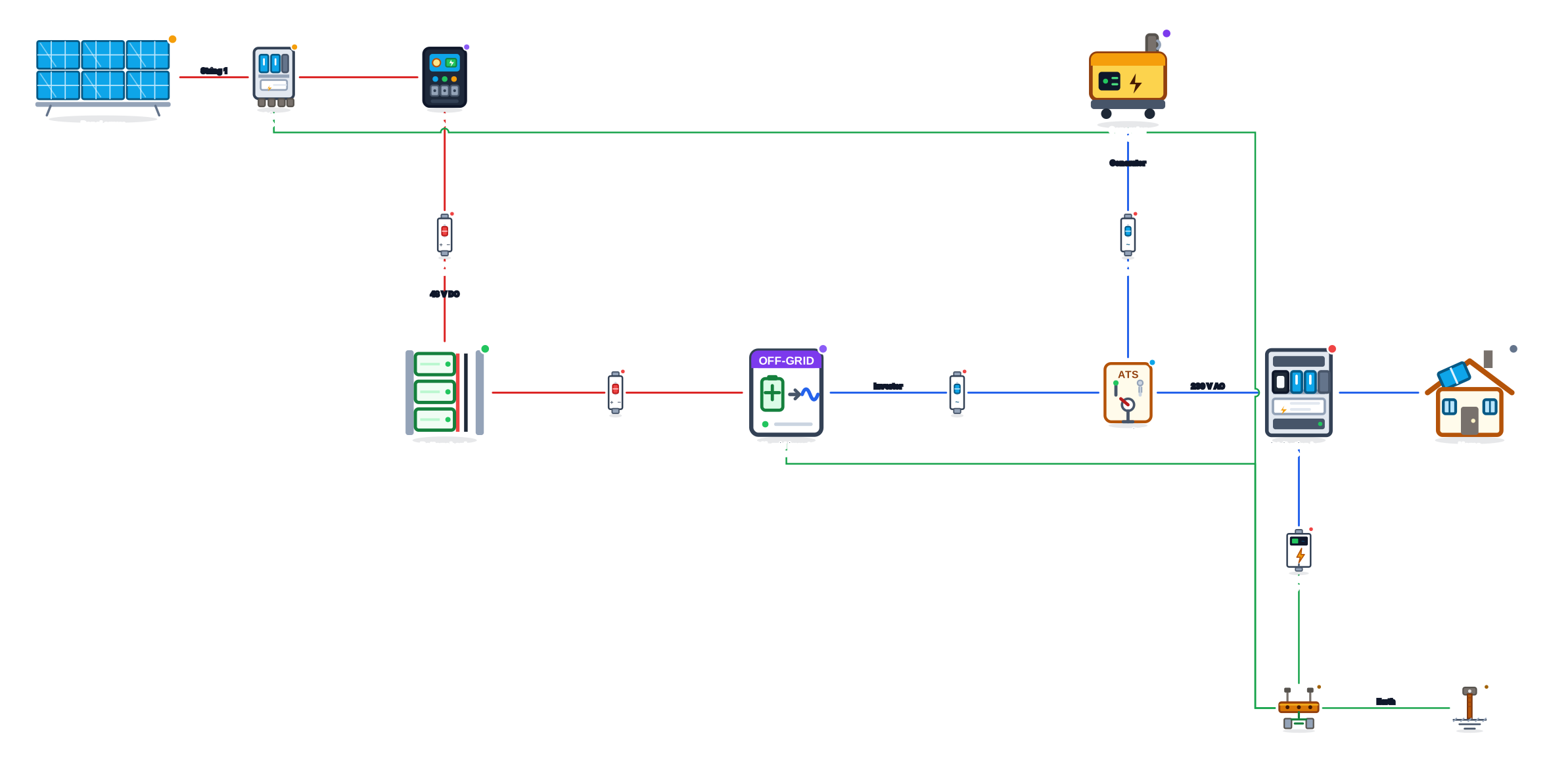 Off-grid system with generator and ATS diagram